Decks Built Where Moisture Enters
Deck Construction in Decatur for residential properties facing ledger board and post base rot from freeze-thaw cycles
Northeast Indiana's wet spring thaw and freeze cycles rot ledger boards and post bases faster than most homeowners expect—visible deck failure often starts from hidden moisture damage at the attachment points. Ledger board attachment and post base flashing are the two critical failure points where Indiana moisture infiltrates and deck lifespan is decided, not the visible deck boards or railing that homeowners inspect. Schwartz Advanced Roofing builds new decks and completes deck replacement for residential properties across northeast Indiana, focusing on structural connection details that homeowners never see but that determine whether the deck lasts five years or twenty-five.
Deck construction requires flashing the ledger board where it attaches to the house to prevent water from entering the gap between the board and the wall sheathing, and elevating post bases above grade with proper flashing to stop ground moisture from wicking into the end grain of pressure-treated posts. These connections control moisture infiltration that causes structural rot before surface materials show wear.
Arrange a site consultation to review ledger attachment and post base requirements for your property.
The Difference Between Structural and Surface Deck Work
Ledger board attachment involves through-bolting to the house rim joist with proper spacing and flashing integration that channels water away from the fastener penetrations, not just lagging the board to the siding. Post base installation uses standoff brackets or concrete piers that lift the post end grain above moisture contact and include flashing to shed water away from the connection point where rot typically begins.
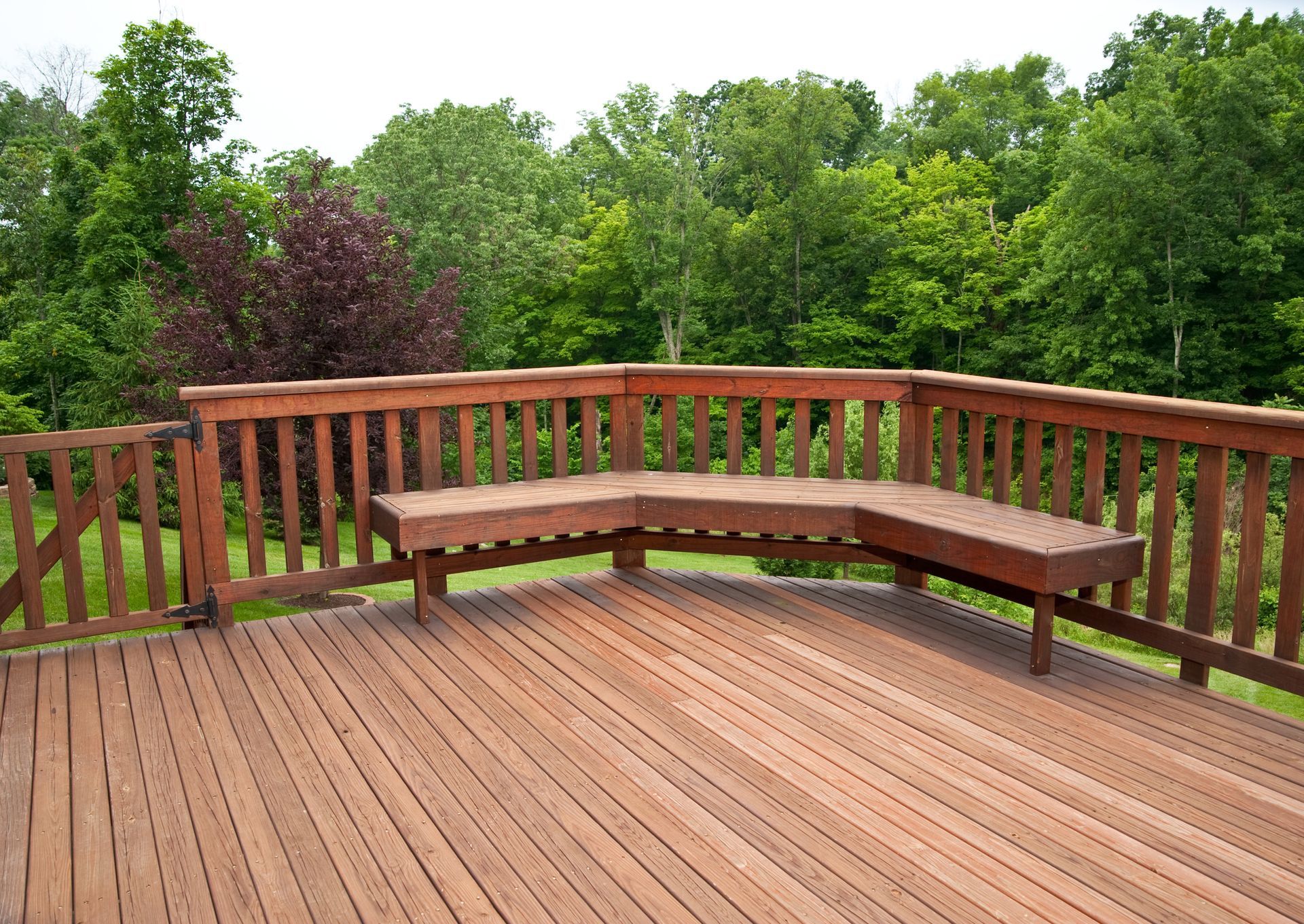
After construction, you'll notice ledger boards with metal flashing visible above the attachment line that directs water outward, post bases elevated on brackets or piers rather than sitting directly on soil or concrete, and joist hangers with fasteners fully seated and spaced according to load requirements. Schwartz Advanced Roofing serves South Decatur and Geneva area residential properties with deck construction built for the freeze-thaw reality of Indiana winters, not just the appearance on completion day.
The construction includes ledger board attachment with proper flashing, post base installation with moisture barriers, joist framing, decking installation, and railing. It does not include grading or drainage work around the deck perimeter unless specified, which affects how water moves away from post bases during rain events.
Questions Before Starting Your Deck Project
Homeowners planning deck construction in northeast Indiana often need to understand what makes a deck structure last in local climate conditions and what to look for during installation.
What causes deck ledger boards to fail in Indiana?
Moisture enters the gap between the ledger board and house sheathing at fastener penetrations and through capillary action, causing rot that weakens the connection before it's visible—proper flashing prevents water from accessing this gap.
How do freeze-thaw cycles affect deck post bases?
Water absorbed into post end grain expands during freezing and accelerates rot where the post contacts soil or concrete, so elevating posts on brackets or piers with flashing keeps end grain dry and extends post lifespan significantly.
What fasteners should be used for ledger board attachment?
Lag bolts or through-bolts spaced according to deck load and span requirements provide the shear and tension resistance needed to support the deck structure—nails or screws don't meet structural connection standards for ledger boards.
When should an existing deck be replaced instead of repaired?
If the ledger board shows rot, post bases are soft or sinking, or joists have separated from hangers, replacement addresses structural failure that patching can't correct—surface repairs on compromised structure only delay collapse.
How long does a properly built deck last in Decatur?
Decks with flashed ledger boards and elevated post bases typically last 20 to 30 years before structural replacement is needed, while decks without moisture control at these connection points often fail within 10 years as rot progresses at attachment points.
Schwartz Advanced Roofing constructs decks for residential properties across northeast Indiana with attention to the structural connections that control moisture infiltration and determine long-term performance. Request an estimate to review ledger and post base detailing for your deck project.