Metal Roofing Built for Agricultural Spans
Pole Barn Roofing in Decatur for wide-span structures under heavy snow load and wind shear
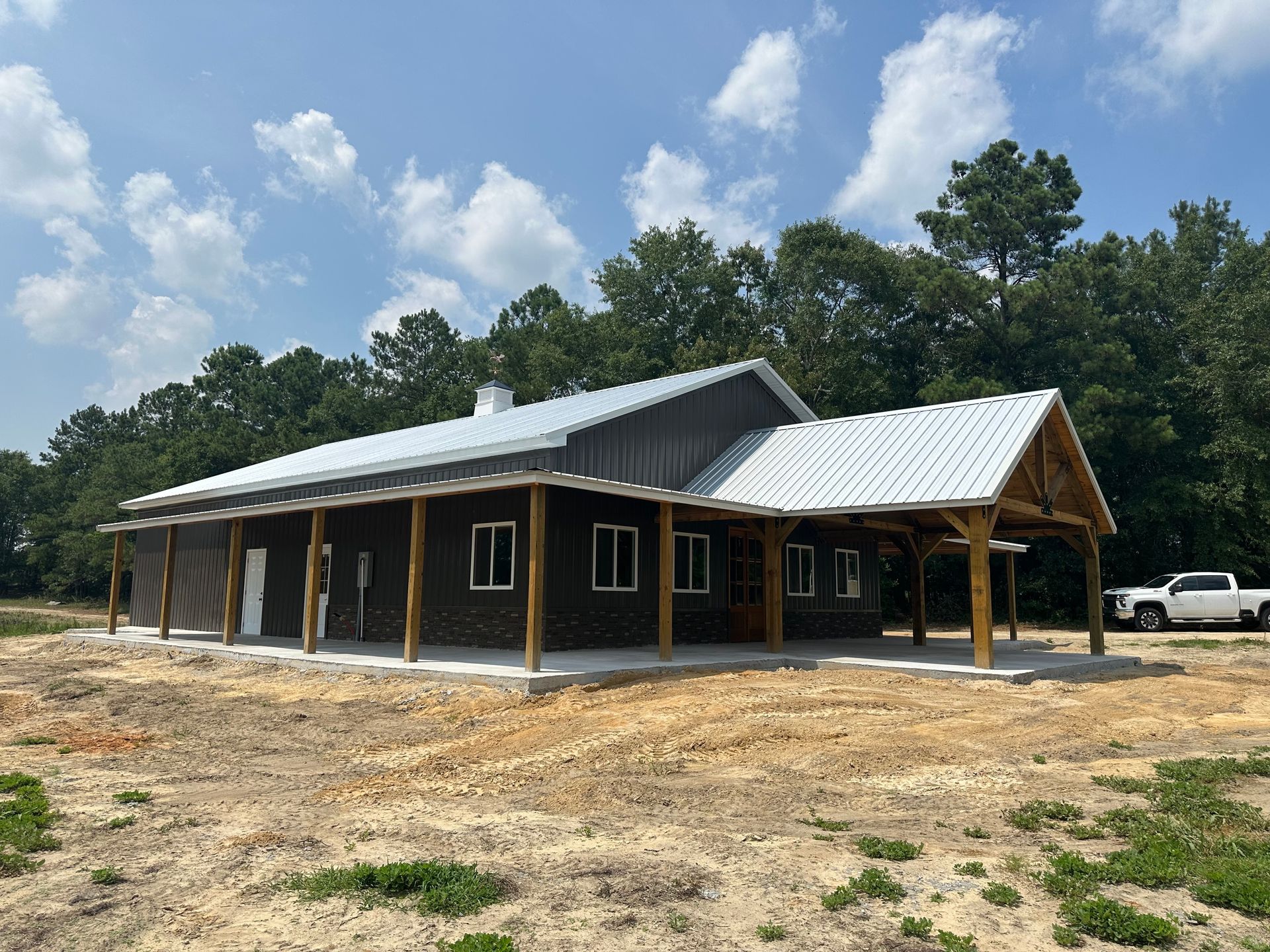
Adams County's active agricultural community requires pole barn roofing that handles heavy snow load and wind shear across wide unobstructed spans—demands that residential roofing methods don't address. Schwartz Advanced Roofing installs metal panel roofing for agricultural and rural structures across Adams County and northeast Indiana, using fastener pattern engineering specific to wide-span buildings where load distribution differs fundamentally from residential applications. Serving rural corridors including Monroe and the Columbia City area, the work addresses structural realities that residential crews often miss when attempting barn projects.
Metal panel roofing for pole barns requires fastener placement calculated for the span between purlins and the load transfer path during wind events and snowpack accumulation. The fastener pattern must account for panel movement under thermal expansion and the torque limits of self-tapping screws driven into metal purlins, not wood decking.
Schedule a property evaluation to review structural span and fastener requirements for your building.
How Agricultural Roofing Differs from Residential Work
Agricultural structure roofing involves selecting metal panels based on rib height and gauge thickness appropriate for the purlin spacing and expected load, not just matching a color to an existing structure. Fastener spacing follows engineered patterns that distribute uplift forces across the panel field and concentrate hold-down strength at eave and ridge lines where wind loads peak.
After installation, you'll notice panels that remain flat under load without oil-canning or buckling between supports, fasteners aligned in consistent rows that indicate proper purlin engagement, and trim work at edges and transitions that sheds water away from openings rather than channeling it into seams. The roof performs as a structural diaphragm, not just a weather cover.
The installation includes closure strips at eaves and ridge to prevent wind-driven rain and pest intrusion, but it does not include insulation or liner panel installation unless specified. Those are separate scope items that affect both thermal performance and condensation control inside the structure.
What Farm Owners Ask About Pole Barn Roofing
Owners working with agricultural structures often need to understand how metal roofing performs under the specific conditions their buildings face in northeast Indiana's rural environment.
What metal panel profile works best for agricultural spans?
Standing seam and R-panel profiles are common, but the choice depends on purlin spacing and whether the roof will support equipment loads—R-panel with 36-inch rib spacing handles wider purlin layouts common in older pole barns.
How does snow load affect fastener requirements in Adams County?
Northeast Indiana snow loads require fastener density to increase at eave lines and gable edges where drifting and ice damming concentrate weight, and panels must be secured to resist uplift from wind moving across unobstructed rural sites.
When should I replace pole barn roofing instead of repairing it?
If rust perforation extends across multiple panel ribs or fasteners have backed out due to thermal cycling and purlin movement, replacement prevents progressive failure that accelerates once water enters the building envelope.
What preparation does the structure need before new panels go on?
Purlins must be straight and secure, and any rot or insect damage in the framing needs repair before roofing begins—adding panels over compromised structure transfers load to weakened members and shortens roof lifespan.
How long does a metal panel roof last on a pole barn?
Properly installed Galvalume or painted steel panels typically last 30 to 40 years in agricultural use, but longevity depends on fastener integrity and whether the building maintains ventilation to prevent condensation from accelerating corrosion on the underside of panels.
Schwartz Advanced Roofing works with farm and rural property owners who need metal roofing installed with agricultural structure experience, not residential methods adapted to a barn. Request an on-site consultation to assess your building's span and load requirements.