Seasonal Maintenance That Prevents Winter Damage
Roofing Maintenance in Decatur for properties requiring pre-winter inspection and debris clearance before freeze-thaw season
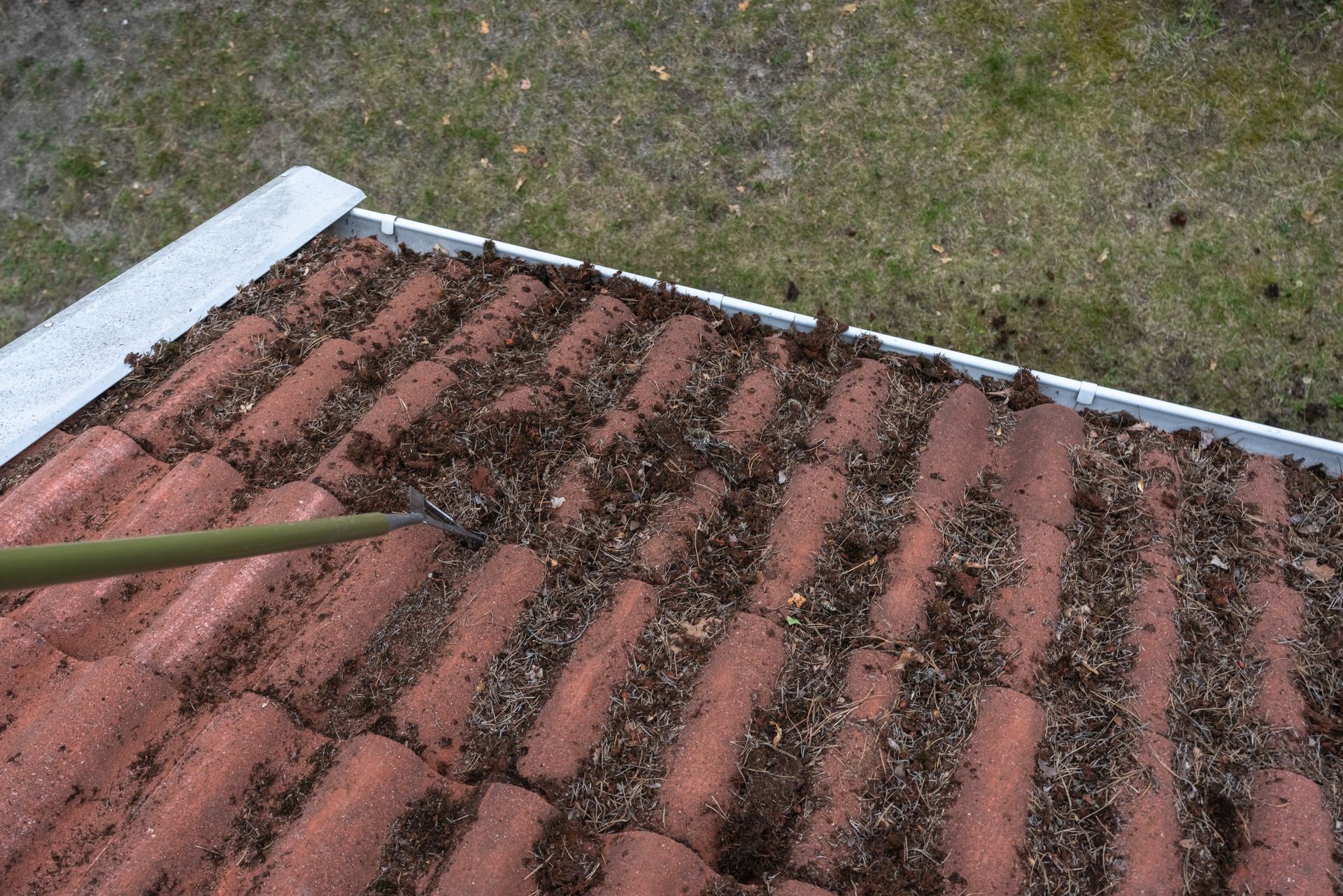
Adams County freeze-thaw cycles push debris into valleys and flashings where trapped leaves and shingle granules create ice dams during January and February thaws that force water under shingles and into attic spaces. Annual pre-winter maintenance prevents this damage by targeting flashing integrity, valley debris clearance, and ridge vent condition before the first hard freeze locks debris in place and creates the blockage points that winter weather exploits. Schwartz Advanced Roofing operates locally in Decatur with seasonal awareness of Adams County's specific winter damage patterns, offering maintenance programs that address the three failure points northeast Indiana winters hit hardest on residential and commercial roofs.
Maintenance work includes clearing all valley debris that traps snowmelt, inspecting flashing around chimneys and vents for separation or corrosion, and checking ridge vent screens for blockage that restricts attic airflow and contributes to ice dam formation. These specific steps matter because small annual investment in proactive maintenance prevents costly emergency repairs mid-winter when damage has already spread into interior spaces.
Arrange a pre-winter maintenance inspection to address vulnerable points before freeze-thaw cycles begin in late fall.
What Proper Maintenance Requires Seasonally
Pre-winter roof maintenance focuses on removing debris accumulation from valleys and behind chimney flashings where organic material traps moisture that freezes overnight and creates expanding ice formations that lift shingles and separate flashing seams. You prevent ice dam damage by clearing these accumulation points in late fall before the first freeze, then verifying that ridge vents remain unobstructed and attic airflow supports even temperature distribution across the entire roof deck.
After maintenance completes, you see even snow coverage across the roof surface without bare spots that indicate heat loss, valleys that drain cleanly during winter thaws instead of backing up with ice, and no icicle formation along eaves where trapped debris typically creates the blockage points that force water sideways under shingles. The roof performs through freeze-thaw season without developing the localized damage that turns into emergency leak calls by mid-February.
Maintenance programs are structured as annual services timed to seasonal needs rather than one-time inspections, with scope adjusted based on roof age and whether you're dealing with residential steep-pitch construction or commercial low-slope membrane systems. Pricing packages and inspection scope details depend on building size and accessibility.
Questions Before Starting Your Project
Property owners across northeast Indiana considering maintenance programs ask similar questions about timing and scope before committing to annual service.
What does pre-winter maintenance cover that I can't do myself?
Professional maintenance includes safe roof access to clear valley debris in multi-story construction, flashing integrity testing that requires sealant reapplication or fastener tightening, and ridge vent inspection from both exterior and attic perspectives to verify airflow adequacy.
When should annual roof maintenance happen to prevent ice dam damage in Decatur?
Late October through early November provides the optimal window after fall leaf drop but before first freeze, allowing debris clearance and flashing repairs to be completed while temperatures still support sealant curing and shingle pliability.
How does debris in valleys cause ice dams during winter?
Leaves and granules trapped in valleys block snowmelt drainage, creating standing water that refreezes overnight and builds up behind the blockage point until ice formation forces water sideways under shingles where it drips into attic insulation.
What are the three failure points that northeast Indiana winters exploit first?
Flashing separation around chimneys allows direct water entry, valley debris creates ice dam formation zones, and blocked ridge vents prevent attic airflow that keeps roof deck temperatures consistent and prevents localized melting and refreezing cycles.
Does annual maintenance reduce the need for mid-winter emergency repairs?
Proactive maintenance addresses the conditions that lead to winter damage before freeze-thaw cycles begin, significantly reducing emergency leak calls that result from preventable ice dam formation or flashing failures that could have been caught during fall inspection.
Schwartz Advanced Roofing positions maintenance as the front-line defense against freeze-thaw damage, not just a routine service performed without seasonal focus. Call (260) 416-2285 to schedule your pre-winter maintenance inspection and debris clearance before Adams County's freeze-thaw season begins.